Specter DIY: A Comprehensive Guide
Introduction
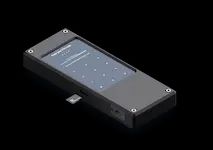
Specter DIY offers a blend of customization, security, and user-friendly design. This open-source Bitcoin-only signing device allows users to build their own hardware wallets using off-the-shelf components, minimizing supply-chain risks and fostering a DIY spirit within the crypto community.
Overview of Specter DIY
Customization and Flexibility: Specter DIY stands out for its flexibility and customization options. It is designed to work with a range of components, allowing users to tailor their hardware wallet to their specific needs and preferences.
Security Features: The wallet's security is a paramount feature, with options like multisignature setups, airgapped operations, and encrypted storage. It supports various modes for secret storage, including agnostic and reckless modes, with secure element integration on the horizon.
User Interface: Users praise Specter DIY for its clean and straightforward interface, making it easy to navigate and manage digital assets. The wallet's design focuses on user experience, ensuring that even those new to hardware wallets can use it with ease.
Community and Support: Specter DIY is backed by a robust community, offering support and resources for users. This includes video tutorials, a Telegram group for questions, and a comprehensive documentation guide.
Detailed Features and Specifications
Open-Source and License: The wallet is fully open-source under the MIT license, inviting community contributions and audits.
Communication and Airgap: It uses QR codes as the default communication method with the host, ensuring an airgapped operation that enhances security.
Compatibility and Integration: The wallet is designed to be compatible with Bitcoin Core, facilitating seamless integration and communication.
Firmware and Development: Most of the firmware is written in MicroPython, making it easy to audit and modify. It uses the secp256k1 library from Bitcoin Core for elliptic curve calculations.
Building and Assembling Specter DIY
Components and Assembly: The wallet can be assembled from standard components, with an extension board available to simplify the process and avoid soldering.
Documentation and Guides: Comprehensive documentation is provided, including shopping lists, assembly instructions, and quick start guides.
Security Considerations
Bootloader and Firmware Upgrades: Specter DIY has implemented a secure bootloader that verifies firmware upgrades, ensuring that only signed firmware can be uploaded after the initial setup.
User Responsibility: Unlike commercial wallets, the bootloader must be installed manually, requiring users to pay extra attention during the initial firmware installation.
Community Feedback and Reviews
User Reviews: Users have rated Specter DIY highly, appreciating its robust security features, simple user interface, and the empowerment it offers for managing digital assets.
Community Engagement: The community's involvement in the development and support of Specter DIY is a testament to its success and reliability.
FAQs
What makes Specter DIY unique among hardware wallets?
Specter DIY's uniqueness lies in its open-source nature, customization options, and the ability to build it from off-the-shelf components, offering a personalized and secure hardware wallet experience.
How does Specter DIY ensure the security of digital assets?
It employs various security features like multisignature setups, airgapped operations, encrypted storage, and a secure bootloader for firmware upgrades, ensuring a high level of security for user funds.
Is Specter DIY suitable for beginners in cryptocurrency?
Yes, despite its DIY nature, Specter DIY is designed with a straightforward user interface, making it accessible even for those new to hardware wallets.